18 Simple Home Garden Ideas You’ll Want To Have In Your Backyard Garden
Quick Disclaimer: This post may contain affiliate links, meaning if you purchase a product through those links, I may receive a small commission with no extra cost to you. Thanks for your support to my work! I only Recommend Products I Trust!
MoreNative Plant Gardening is easier than you might think.
If you’re short on space, a Vertical Garden Wall filled with herbs or tiny plants might be the answer.
Love fragrance or food? Add aromatic plants or try edible landscaping.
And if you care about wildlife, a pollinator garden with thoughtful garden borders will bring everything together.
Related:
- 26 Innovative Small Garden Ideas for Every Backyard Space
- 25 Stunning Small Backyard Garden Ideas You Can Create Easily
1. Create a Japanese-Inspired Garden
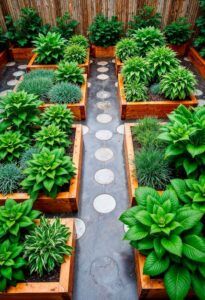
A Japanese-Inspired Garden brings calm and balance right to your backyard.
Think stone paths, small lanterns, bamboo fences, and maybe a water feature like a mini koi pond.
You don’t need to copy everything, just pick a few elements that feel peaceful to you.
Ever wondered why people love these gardens so much? It’s because they make even the busiest minds slow down.
Keep it simple with moss, gravel, and a few carefully placed rocks.
💡Quick Note: Learn How To Transform A Typical Money-Draining House Into A Tiny Profitable Off-The-Grid Homestead. Click Here To Get Started Now!
Add a bench so you can sit and enjoy the stillness.
A Japanese-style garden doesn’t need a lot of plants; it’s more about design and the feeling it creates.
If you’re someone who likes meditating or just sitting quietly outside, this garden style could become your favorite part of the house.
2. Build a Sensory Garden
A Sensory Garden focuses on touch, smell, sight, taste, and sound.
For touch, you could add soft lamb’s ear plants or ornamental grasses.
For smell, nothing beats lavender or mint.
To bring in sound, install wind chimes or plant bamboo that rustles in the breeze.
Doesn’t that sound like a little outdoor escape?
This type of garden works for families too; kids love exploring different textures and scents.
You can even add herbs so you get a taste element.
Walk barefoot on smooth stepping stones or run your hands through feathery ferns.
A sensory garden is more than pretty; it’s a full experience that connects you to nature in a fun and personal way.
3. Try Native Plant Gardening
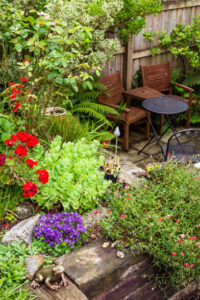
Native Plant Gardening is a win-win.
These plants already know how to handle your local weather and soil, so they need less water, fertilizer, and care.
That means less work for you and more benefits for the environment.
Have you ever noticed how some plants just thrive while others keep struggling?
Chances are, the thriving ones are native.
Another big plus is how much wildlife you’ll attract.
Native flowers bring in bees, butterflies, and even birds looking for food and shelter.
This makes your yard look alive and buzzing with energy.
By choosing native plants, you’re also helping keep your local ecosystem strong and healthy.
4. Add a Vertical Garden Wall

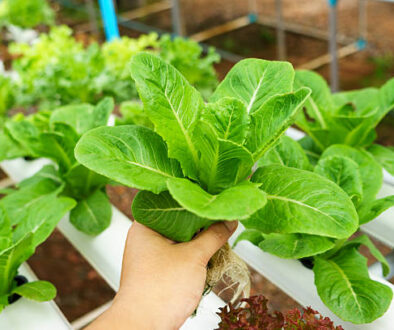
If your space is small or you just want to maximize your yard, a Vertical Garden Wall is a game-changer.
You can grow herbs, small vegetables, or even colorful flowers without using much ground space.
Imagine walking out and snipping fresh basil right off your wall. How cool is that?
Vertical walls also add a modern look to your backyard.
Use recycled pallets, metal frames, or hanging planters to create your wall.
It’s an easy way to cover a plain fence or wall with greenery.
Plus, it helps cool down the area by providing natural shade.
5. Plant Aromatic Plants
Who doesn’t love stepping outside and being greeted by the smell of fresh herbs or flowers?
Adding aromatic plants like rosemary, jasmine, or thyme can turn your garden into a naturally scented space.
You’ll never need expensive candles or sprays when your yard already smells this good.
Place these plants near walkways, patios, or windows where the breeze can carry their fragrance inside.
They don’t just smell amazing—they also repel some pests.
So you’re making your garden both beautiful and practical at the same time.
6. Experiment with Edible Landscaping
Why grow just flowers when you can grow food too?
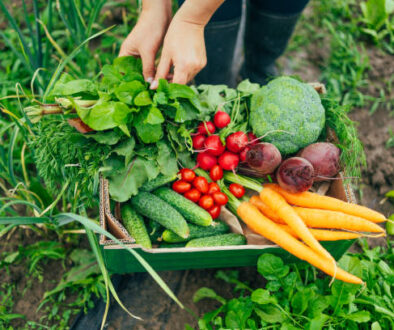
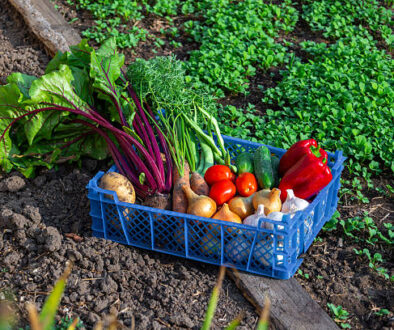
Edible landscaping blends fruits, vegetables, and herbs right into your yard’s design.
💡Quick Note: 🌼Don’t You Dare To Miss Out On This Kit! The Medicinal Garden Kit is a Must-Have for Your Garden. Click Here to Access Now!
Think of blueberry bushes as hedges, colorful lettuce mixed with flowers, or grapevines climbing a trellis.
Doesn’t it sound great to snack while gardening?
This approach saves space and money. You can grow food while still keeping your garden beautiful.
It also encourages healthier eating since fresh ingredients are right outside your door.
You’ll feel proud every time you make a meal with something you grew yourself.
7. Use Tiny Plants for Small Spaces
If you don’t have much space, tiny plants can make a big impact.
Mini succulents, dwarf trees, and compact herbs add charm without taking up room.
These little guys are perfect for patios, balconies, or tucked into small corners of the yard.
Tiny plants also let you get creative.
Group them in clusters, use small pots with bright colors, or make a mini rock garden.
They may be small, but they create detail and texture that make your space look thoughtful and inviting.
8. Attract Wildlife with a Pollinator Garden
A pollinator garden is designed to bring in bees, butterflies, and hummingbirds.
Bright flowers like coneflowers, sunflowers, and lavender are magnets for these helpful creatures.
Have you ever watched a butterfly land on a flower right in front of you?
It makes your whole yard feel magical.
Pollinator gardens also help the environment by supporting local ecosystems.
Without pollinators, many plants and food crops can’t survive.
By planting flowers that bloom in different seasons, you’ll make sure they have food all year round.
9. Frame Spaces with Garden Borders
Garden borders give your yard structure and style.
Use bricks, stones, wood, or even low hedges to outline flower beds or pathways.
It might sound small, but borders make everything look neat and planned.
They also help keep plants in check. Borders stop grass from creeping into your flower beds and make it easier to maintain different zones.
Plus, they’re a great way to add personality—curved, straight, or even playful designs depending on your style.
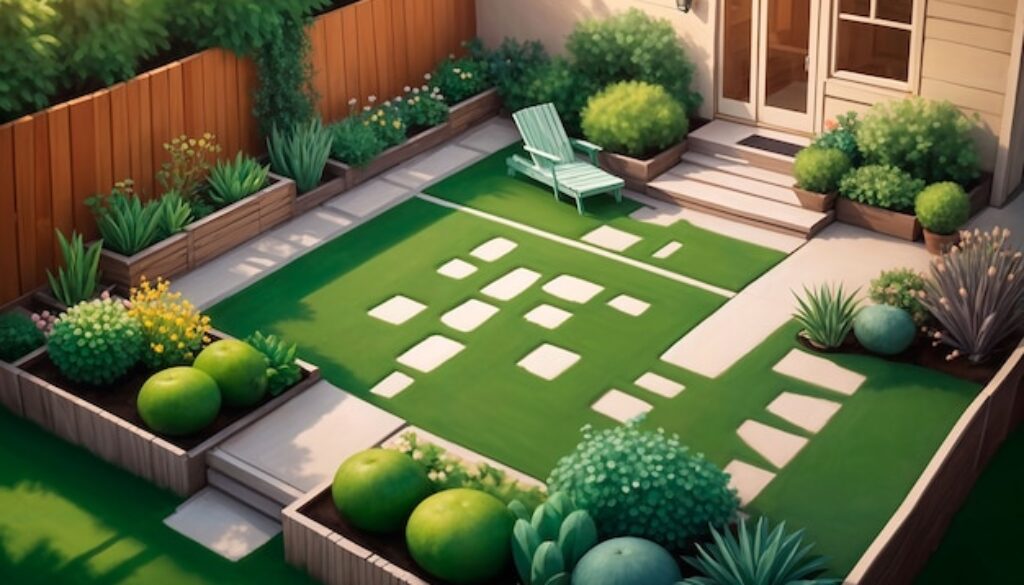
10. Build Raised Garden Beds
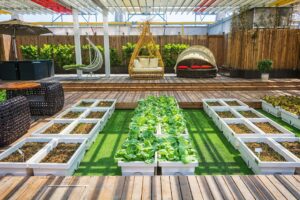
Raised beds help you control soil quality, drainage, and layout.
You pick the size, fill them with rich soil, and plant in neat rows or blocks.
You reach everything easily, which saves your back and boosts success.
Want a tidy look that stays organized all season? Raised beds deliver that.
Use rot-resistant wood or metal frames, and line paths with mulch or gravel.
Add drip lines so you water right at the roots and waste less.
Mix flowers with veggies for color and pollinators. You can even echo garden borders around the beds for a clean finish.
11. Create a Container Garden
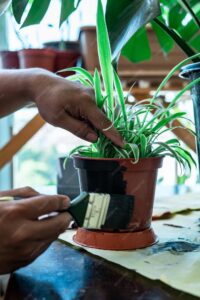
Containers let you garden anywhere—patio, balcony, or a sunny stoop.
You group pots by height and texture to build layers.
You pick lightweight planters to move things as light changes. Doesn’t that flexibility make planning easier?
Grow herbs, peppers, cherry tomatoes, and trailing flowers together.
Add one thriller plant to anchor the pot and fill the rest with growers you harvest often.
You refresh tired pots mid-season with fresh soil and quick starters.
You keep a few aromatic plants near the door for a welcome scent.
12. Make an Herb Spiral
An herb spiral stacks stones or bricks into a compact spiral bed.
You create microclimates: dry at the top, moist at the base.
You place rosemary and thyme high, and tuck parsley and mint lower, where the soil stays cooler.
You reach every plant from the edges.
You water from the top and let gravity do the work.
You slip a small soaker hose along the spiral if heat runs high.
You add a few edible landscaping flowers like nasturtiums for color and garnish.
Label herbs so you pick the right flavors fast.
13. Add Trellises and Arbors
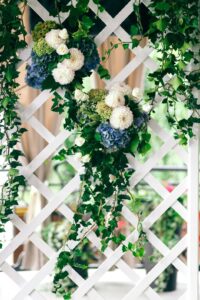
Trellises and arbors lift plants up and save ground space.
You guide cucumbers, beans, and small melons to climb.
You grow clematis or roses for blooms that frame a path.
A simple arch also creates a lovely focal point.
Place a trellis near a Vertical Garden Wall to build height and rhythm.
You train vines with soft ties so stems don’t cut. You prune lightly to keep airflow strong.
You walk under the arbor and feel like you stepped into a garden room.
14. Lay Stepping-Stone Paths
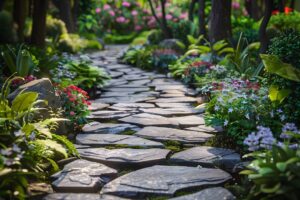
Stepping-stone paths connect beds and keep shoes clean after rain.
You map natural routes first, then set stones where feet already go.
You leave tight gaps for a crisp look or wider gaps for groundcovers.
Doesn’t a clear path make the whole space feel finished?
Set stones on compacted sand so they sit level. You tuck in thyme or moss between stones for scent and softness.
You edge paths with low garden borders to hold mulch in place.
You add a few solar markers so night walks feel safe.
15. Design a Shade Garden
Shade does not limit you; it guides plant choice.
You lean into texture with hostas, ferns, hellebores, and brunnera.
You pick variegated leaves to brighten dim corners. You add a quiet seat and let the space cool you on hot days.
Use layered heights to build depth against fences or trees.
You improve soil with compost so roots spread easily.
You bring in Native Plant Gardening picks that thrive in local shade. A small water bowl adds reflection and calm.
16. Install a Simple Water Feature

Water invites birds, cools the air, and softens noise.
You start with a birdbath, a bubbler, or a half-barrel fountain.
You place it where you can see it from your favorite chair. You clean it weekly, so wildlife stays healthy.
You ring the feature with pollinator garden flowers for color and visitors.
You add stones so bees and butterflies can land safely.
You place aromatic plants like lavender nearby to scent the breeze. A little splash turns a corner into a retreat.
17. Capture Rain and Water Smarter
You set a rain barrel under a downspout and store free water.
You add a screen to stop debris and a spigot for easy fills.
You pair the barrel with drip lines for slow, deep watering.
Why pay more when rain already wants to help?
You contour beds to hold moisture and reduce runoff. You mulch thickly so the soil stays cool and alive.
You swap overhead spray for soaker hoses to avoid waste. You check the moisture with your hand, not guess.
18. Create a Cozy Seating Nook
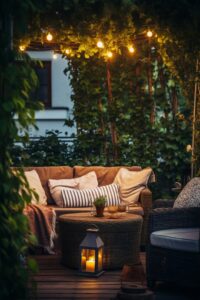
A garden needs a place to land. You set a bench, bistro set, or hammock where light feels kind.
You face the view you love—beds, paths, or your Japanese-Inspired Garden corner.
You add a small table for tea or tools.
💡Quick Note: Learn How To Transform A Typical Money-Draining House Into A Tiny Profitable Off-The-Grid Homestead. Click Here To Get Started Now!
You frame the nook with pots of tiny plants and a few aromatic plants.
You lay a quick garden border to define the edge. You hang string lights so evenings feel warm.
You sit, breathe, and enjoy the space you built.
Conclusion
Your backyard has the potential to become your favorite place at home.
Whether you go for a calming Japanese-Inspired Garden, a lively pollinator garden, or practical touches like edible landscaping and garden borders, there’s something here for everyone.
Start small with just one idea, then build from there.
Before you know it, your garden won’t just look better, it’ll feel like an extension of your lifestyle.
FAQs
Q1: How do I start a backyard garden if I’m a complete beginner?
Start with one small project, like planting herbs or flowers in pots. This keeps it manageable while you learn.
Q2: What’s the cheapest garden idea from this list?
Using tiny plants or creating simple garden borders with recycled materials are budget-friendly options.
Q3: How do I keep my garden low-maintenance?
Focus on native plant gardening and perennials. They require less watering and care since they’re suited to your local environment.
Q4: Can I try more than one of these ideas at the same time?
Absolutely! Mix and match—like a vertical garden wall alongside a sensory garden—to create a backyard that reflects your personality.