16 Must-Have Garden Plans for a Beautiful Medicinal Herb & Tea Garden
Quick Disclaimer: This post may contain affiliate links, meaning if you purchase a product through my link, I may receive a small commission with no extra cost to you. Thanks for your support to my work! I only Recommend Products I Trust!
MoreFrom simple Herb Garden Setups to colorful Herb Garden Flower Beds, there’s a style for every gardener here.
So, let’s explore how to turn your space into a herbal paradise you’ll actually love.
Related:
- Full Steps Guide to Medicinal Herbs to Grow in Early Summer
- Top 10 Medicinal Plants Every Beginner Needs
- 12 Medicinal Herbs You Can Grow in Your Garden And Their Benefits
1. In-Ground Herb Garden Ideas for Easy Access
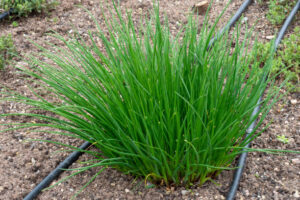
If you have the yard space, an in-ground herb garden is a simple, long-lasting way to grow a variety of medicinal and tea herbs.
The soil stays cooler and retains moisture better than pots, which means your plants will thrive with less fuss.
Arrange herbs like lavender, sage, echinacea, and mint in rows or clusters, depending on their water and sun needs.
Use stepping stones between sections so you can walk through without compacting the soil.
This type of layout makes harvesting easy and keeps the space looking organized.
You can also shape your in-ground garden into attractive patterns, like circles or keyhole designs, for a more creative touch.
💡Quick Note: Learn How To Transform A Typical Money-Draining House Into A Tiny Profitable Off-The-Grid Homestead. Click Here To Get Started Now!
Add mulch to lock in moisture and keep weeds down, and group herbs that love similar conditions together.
Not only will your garden be productive, but it’ll also feel like a living piece of art right in your backyard.
2. Medicinal Plant Garden Design for Health and Beauty
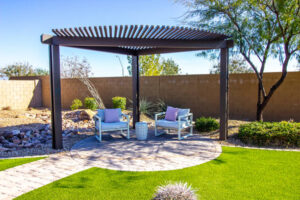
A Medicinal Plant Garden Design isn’t just about function; it’s also about creating a calming space where you enjoy spending time.
Think of it as a blend of beauty and wellness.
You might grow calendula for soothing salves, peppermint for digestion, or lemon balm for calming teas.
Plan your garden so taller plants are at the back and shorter ones at the front for easy access.
Incorporating seating, paths, or even a small fountain can make your medicinal garden feel more like a retreat.
Group plants by their uses, immune boosters in one section, calming herbs in another, so you can find what you need at a glance.
The key is to make the space inviting so you’re encouraged to step outside, snip fresh herbs, and actually use them in your daily life.
3. Growing Herbs Indoors: Ideas for Year-Round Harvest
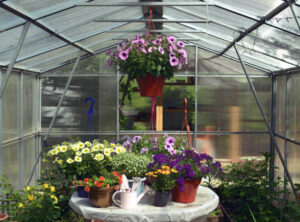
No yard? No problem. You can grow medicinal and tea herbs indoors and enjoy fresh harvests all year long.
A sunny windowsill or a few shelves with grow lights can be enough to keep herbs thriving.
Plants like basil, mint, thyme, and chamomile do well indoors with the right light and regular watering.
Use decorative pots that match your kitchen or living room style so your herb setup doubles as décor.
🌼Don’t You Dare To Miss This Kit! The Medicinal Garden Kit is a Must-Have for Your Garden. Click Here to Access Now!
You can even hang small planters to save counter space.
The benefit of growing indoors is convenience; you can pick fresh leaves while cooking or brewing tea without stepping outside.
Plus, it’s a great way to keep your plants safe from harsh weather or pests.
4. Tea Garden Layout for the Perfect Brew
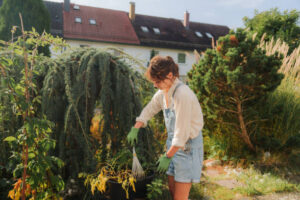
A well-planned Tea Garden Layout makes it easy to grow everything you need for delicious homemade teas.
Dedicate one section to calming herbs like chamomile, lemon balm, and lavender, and another to energizing herbs like peppermint, rosemary, or lemongrass.
This way, you can mix and match depending on your mood.
Paths or stepping stones help keep the layout tidy, and adding labels for each plant can make harvesting more fun (and educational for kids).
Consider planting your tea herbs close to your kitchen or a seating area so you can enjoy the scent while you relax.
Having a dedicated tea garden also encourages you to try new herbal blends you might not find in stores.
5. Small Tea Garden Ideas for Tight Spaces
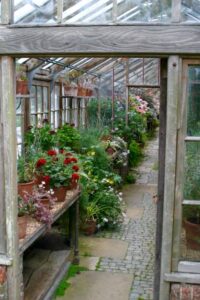
If you’re working with a patio, balcony, or small backyard, Small Tea Garden Ideas can help you make the most of it.
Container gardening is your best friend here; you can group pots of mint, thyme, and chamomile in sunny spots and move them around as needed.
You might also try vertical shelves or hanging baskets for herbs like oregano or basil, which don’t take much root space.
Even a single corner with 4–5 pots can produce enough leaves for regular tea-making.
The key is to choose herbs that thrive in your climate and to give them enough sun and water for strong growth.
6. Herbal Landscaping for a Lush Look
Herbal Landscaping turns your entire yard into a functional and beautiful herbal paradise.
Instead of keeping herbs in a single bed, you mix them with flowers, shrubs, and other plants throughout your landscaping.
This creates a lush, natural look while keeping your herbs close at hand.
Learn How To Transform A Typical Money-Draining House Into A Tiny Profitable Off-The-Grid Homestead. Click Here To Get Started Now!
Lavender makes an excellent border plant, rosemary can double as a small hedge, and creeping thyme works beautifully between stepping stones.
This method blends form and function; you enjoy a vibrant, fragrant yard while also harvesting fresh herbs whenever you like.
7. Medicinal Herb Varieties to Start With
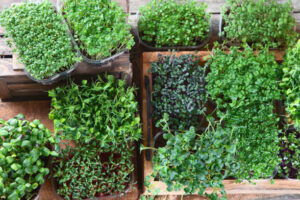
When you’re building a medicinal herb garden, choosing the right plants makes all the difference.
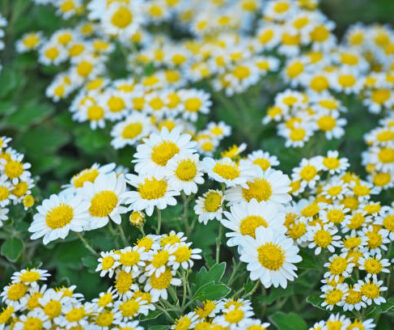
Popular options include echinacea for immune support, chamomile for calming teas, peppermint for digestion, and calendula for skin care.
These plants are beginner-friendly and versatile.
Start with 4–6 varieties you’ll actually use, and expand as you get more comfortable.
Keep in mind that some herbs spread quickly—like mint—so you may want to plant them in pots or containers to keep them from taking over your garden beds.
8. Garden Plans That Keep Things Organized
A clear Garden Plan saves you time and frustration.
Before planting, decide how much space each herb needs, what sunlight it prefers, and how much water it requires.
Group plants with similar needs together to make care easier.
Draw a rough sketch of your space, including paths, seating, and any features you want to add.
This not only makes the garden more functional but also ensures it’s visually appealing.
A little planning up front will save you from having to rearrange plants later.
9. Herb Garden Setup for Beginners
Setting up your herb garden can be simple. Start by choosing a location with at least 6 hours of sunlight a day.
Prepare the soil by loosening it and mixing in compost for nutrients.
If you’re using containers, make sure they have good drainage.
Plant herbs according to their spacing needs and water them right after planting.
Keep an eye on moisture levels, especially during hot weather.
With the right Herb Garden Setup, even beginners can enjoy a thriving garden in just a few weeks.
10. Herb Garden Flower Bed for Color and Aroma
An Herb Garden Flower Bed adds visual beauty and fragrance to your yard.
Combine flowering herbs like lavender, chamomile, and borage with leafy greens like basil or sage.
The mix of colors, textures, and scents makes your garden appealing to both you and pollinators.
Arrange taller plants in the back and shorter ones at the front to keep everything visible.
Adding decorative edging or stones around the bed can give it a polished look while keeping weeds at bay.
11. Raised Bed Garden Plan for Easy Maintenance
A raised bed keeps your herbs at a comfortable height for planting, weeding, and harvesting.
It also improves drainage, warms up faster in spring, and helps control soil quality.
You can build raised beds from wood, bricks, or stone and fill them with rich soil.
💡Quick Note: Want to discover the secrets the interior decorators use? This guide comes with all the interior design principles and stylish home decoration. Click Here To Access Now!
This plan works especially well if your yard soil is rocky or poor.
In a raised bed, you can plant a mix of medicinal herbs like echinacea, chamomile, and thyme in neat rows or blocks.
Adding mulch will help retain moisture and reduce weeds, making maintenance almost effortless.
12. Spiral Herb Garden Plan for Small Spaces
A spiral design is both space-saving and visually striking.
You build a spiral mound from stones or bricks and plant herbs along its curve.
The height variation creates different microclimates, perfect for growing sun-loving herbs like rosemary at the top and moisture-loving herbs like mint at the bottom.
This type of garden is compact yet can hold a surprising number of plants.
It’s ideal for small yards, patios, or even front gardens where you want a focal point that’s also practical.
13. Pathway Border Herb Garden Plan
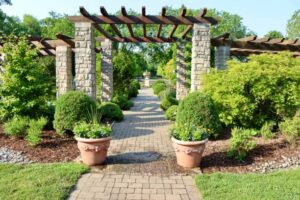
Turn your garden paths into fragrant, productive spaces by planting herbs along the edges.
Lavender, creeping thyme, and chamomile make perfect border plants that release fragrance when you brush past them.
This plan combines beauty and function, making every walk through your garden an aromatic experience.
You can even mix in low-growing medicinal herbs like oregano and yarrow for extra benefits.
14. Container Cluster Garden Plan
If you love flexibility, group large and small pots together in one area.
This plan lets you rearrange your herbs depending on the season, sunlight, or your mood.
Containers work well for herbs like basil, peppermint, and lemon balm, which can be moved indoors when the weather cools.
Mix decorative ceramic pots with rustic wooden ones for visual interest, and place them on a patio, balcony, or sunny corner of the yard.
15. Edible Pathway Garden Plan
Create narrow planting strips along both sides of a garden walkway and fill them with edible herbs like parsley, sage, rosemary, and chives.
Not only does this make harvesting a breeze, but it also turns your walkway into a functional part of your garden design.
This is a perfect plan for busy cooks; you can grab herbs on your way back from the yard without stepping into a separate bed.
16. Companion Planting Herb Garden Plan
Pair your medicinal herbs with vegetables and flowers that benefit each other.
For example, plant basil near tomatoes to improve flavor and repel pests, or grow calendula near beans to attract beneficial insects.
This plan helps you get more out of the same space by boosting plant health, reducing pests, and improving yields.
It also creates a diverse, lively garden ecosystem.
Conclusion
Whether you want an In-Ground Herb Garden, a cozy Small Tea Garden, or a full Herbal Landscaping setup, there’s a design that fits your space and lifestyle.
With thoughtful planning and the right plants, you can enjoy fresh teas, natural remedies, and a beautiful garden all year long.
FAQs
- What are the easiest medicinal herbs to grow?
Mint, chamomile, lemon balm, and lavender are all beginner-friendly and grow well in most climates. - How much sunlight do medicinal herbs need?
Most herbs need at least 6 hours of direct sunlight daily, though some can tolerate partial shade. - Can I grow medicinal herbs indoors?
Yes! Many herbs thrive indoors with enough light—perfect for Growing Herbs Indoors Ideas. - How do I keep my herb garden healthy year-round?
Water regularly, prune plants to encourage new growth, and protect them from frost during winter.