15 Veggies and Flowers to Plant in October for Fall Color and Flavor
This post may contain paid and/or affiliate links. I may earn a small commission at no extra cost to you.
October might feel like the garden is slowing down, but the truth is, it’s one of the best times to plant.
The weather cools, bugs disappear, and the soil still holds the warmth of summer.
That’s a perfect recipe for growing crops that thrive in cool temperatures and planting flowers that add bursts of color just when the world outside starts to turn brown.
If you’ve been thinking about extending your fall vegetable garden or just want some new fall plants ideas, this guide is for you.
We’ll walk through a practical gardening planting guide that includes both vegetables for fresh harvests and flowers to brighten your yard.
With the right choices, you’ll enjoy a colorful and tasty garden well into the cooler months—and even set yourself up for a strong start in spring.
Why Gardening in the Fall Is So Rewarding
Before diving into the list, let’s talk about why gardening in the fall is so enjoyable.
- Fewer pests: Many of the bugs that attack your plants in summer are gone by October.
- Better flavor: Cool weather makes leafy greens and root vegetables taste sweeter.
- Easier work: You’re not sweating under the blazing sun, which makes planting and harvesting more enjoyable.
- Winter harvest prep: With the right choices, your fall planting for winter harvest ensures you’re eating fresh even when snow falls.
And let’s not forget the beauty. Adding flowers to your fall beds creates cheerful spots of color when everything else looks faded.
So, what should you plant this month? Let’s break it all down.
1. Spinach – The Cool-Weather
Spinach loves the cold, making it a star in any fall vegetable garden.
Plant it in October, and you’ll be harvesting baby leaves in just a few weeks.
- Why it works: Spinach becomes sweeter in cooler weather.
- Tip: Protect it with a row cover, and you’ll enjoy spinach well into winter.
2. Kale – The Garden Workhorse
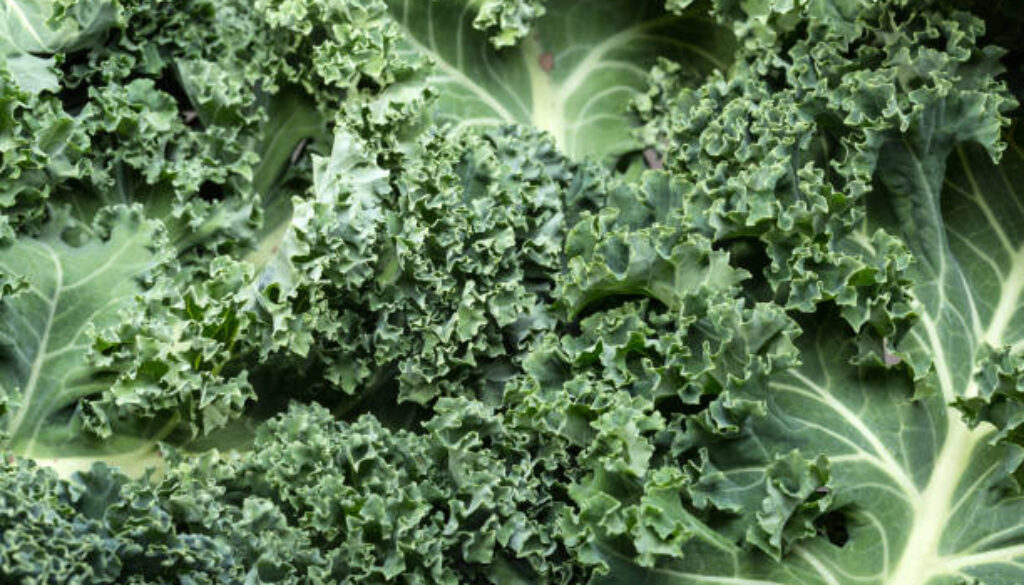
If there’s one veggie built for gardening in the fall, it’s kale.
This leafy green gets better as the temperatures drop, turning tender and sweet.
- Why it works: Frost actually improves the flavor.
Tip: Mix curly and dinosaur kale for a pretty and tasty bed.
3. Radishes – Fast
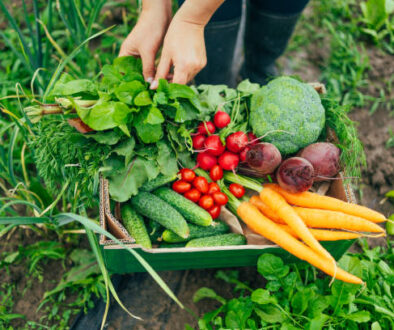
Radishes are the sprinters of the garden. From seed to harvest, they can be ready in as little as 25 days, which makes them perfect for a quick October crop.
- Why it works: They thrive in cool soil and don’t take up much space.
Tip: Tuck radish seeds between slower-growing plants in your fall vegetable garden.
4. Carrots – Sweet Roots for Winter
Carrots grow beautifully in October’s cool soil. By the time winter rolls in, you’ll have sweet, crisp roots ready to pull.
- Why it works: Cold temperatures concentrate sugars in carrots.
Tip: Leave some in the ground under mulch for your fall planting for winter harvest.
5. Lettuce – Salad Straight from the Garden
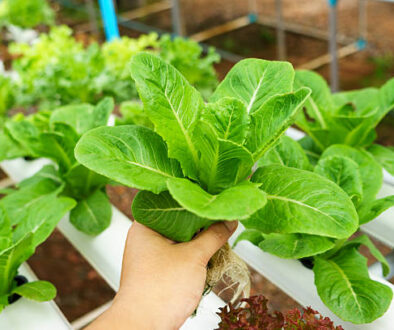
Nothing beats fresh lettuce, and October is a great month to start a fall crop. Loose-leaf varieties grow quickly and can be cut again and again.
- Why it works: Lettuce thrives in cool weather and germinates easily in October.
Tip: Grow a mix of colors and textures for salads that look as good as they taste.
6. Garlic – Plant Now, Harvest Later
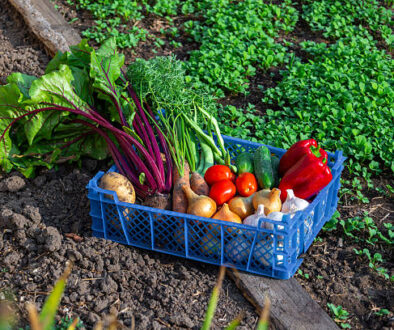
Garlic is one of the best crops for October. You won’t harvest until next summer, but fall planting ensures big, flavorful bulbs.
- Why it works: Garlic needs the cold period of winter to develop properly.
Tip: Choose hardneck varieties if you live in a colder climate.
7. Onions – Start Your Winter Allium Patch
Like garlic, onions benefit from fall planting. Set out onion sets or seedlings in October, and they’ll establish roots before going dormant for winter.
- Why it works: Early planting means stronger growth in spring.
Tip: Mulch heavily to protect them from frost.
8. Broccoli – A Cool-Season Powerhouse
Broccoli loves cool weather and can handle light frost. Planting in October can give you tender heads before winter sets in.
- Why it works: Cooler weather prevents broccoli from bolting.
Tip: Pair broccoli with lettuce or spinach in your fall vegetable garden for efficient use of space.
9. Cabbage – For Harvest into Winter
Cabbage is a classic cool-weather vegetable that thrives in fall. With a little protection, it can provide warmth well into the colder months.
Why it works: Cold temperatures make cabbage sweeter and crisper.
Tip: Use floating row covers to extend your harvest window.
10. Beets – Roots and Greens All in One
Beets are a two-for-one crop. You get tasty roots and nutrient-rich greens. October planting sets you up for delicious harvests just before winter.
- Why it works: Beets tolerate cool soil and grow quickly.
Tip: Use beet greens in salads or sauté them like spinach.
Now let’s add a pop of color with flowers that make your fall plants come to life.
11. Pansies – Cheerful and Hardy
Pansies are the classic fall flower. They bloom through cool weather and sometimes even survive light snow.
Why it works: Their cheerful faces brighten up any dull fall day.
Tip: Mix pansies with lettuce in containers for a fun edible-and-decorative combo.
12. Violas – The Tiny Powerhouses
Similar to pansies but smaller, violas bloom like crazy and last through the chill.
- Why it works: They’re low-maintenance and add lots of color.
Tip: Use violas as edging around your fall vegetable garden for beauty and function.
13. Chrysanthemums
Chrysanthemums, or mums, are practically the symbol of autumn. Their rich reds, oranges, and yellows light up porches and garden beds.
- Why it works: They thrive in cooler temperatures and bloom until frost.
- Tip: Plant mums in well-drained soil to help them come back next year.
14. Marigolds – The Pest Fighters
Marigolds are more than just pretty—they help repel pests, making them a great companion for your fall vegetable garden.
- Why it works: They bloom quickly and tolerate cool conditions.
Tip: Tuck marigolds between your veggie beds as part of your gardening planting guide.
15. Snapdragons – Tall and Stunning
Snapdragons add height and drama to fall beds. They bloom in a wide range of colors and can handle cool temperatures.
- Why it works: They provide vertical interest when most flowers are fading.
Tip: Plant snapdragons behind pansies or violas for layered color.
Pulling It All Together
Now that you have 15 options for October planting, let’s talk about how to mix them for maximum impact.
- For flavor: Fill your beds with spinach, kale, radishes, carrots, and lettuce for quick harvests.
- For long-term reward: Add garlic and onions for your fall planting for winter harvest.
- For color: Mix pansies, violas, and snapdragons around your veggies.
- For function: Marigolds keep pests at bay while chrysanthemums provide seasonal beauty.
By combining veggies and flowers, your fall vegetable garden becomes both beautiful and productive.
Conclusion
October is far from the end of the gardening season—it’s actually a fresh beginning.
With these fall plants ideas, you can enjoy crisp lettuce, sweet carrots, and colorful blooms even as the days grow shorter.
Follow this gardening planting guide, and you’ll see how simple and rewarding gardening in the fall can be.
From quick crops like radishes to long-term rewards like garlic and onions, your fall planting for winter harvest will keep your garden alive and delicious.
So grab your gloves, get your seeds and starts, and make this October your most colorful and flavorful month in the garden yet. 🌱🌸
FAQs
1. What vegetables grow best in a fall vegetable garden?
Cool-season crops like spinach, kale, radishes, carrots, and lettuce do best in a fall vegetable garden. They thrive in lower temperatures and often taste sweeter after a light frost.
2. Can I still plant flowers in October?
Yes! Flowers like pansies, violas, chrysanthemums, marigolds, and snapdragons are excellent fall plants ideas that add color well into the cooler months.
3. What is fall planting for winter harvest?
Fall planting for winter harvest means sowing crops like garlic, onions, and carrots in the fall so they continue growing or stay preserved in the soil for winter and spring harvests.
4. Do I need a gardening planting guide for fall?
A gardening planting guide helps you know what to plant, when, and how. Since fall has different growing conditions than spring or summer, a guide ensures your gardening in the fall is both productive and rewarding.